
Naturopathy attracts more and more French people each year seeking complementary support to conventional medicine. However, this practice operates within a vague legal framework that raises as many questions as enthusiasm. Between promises of overall well-being and the absence of regulation, naturopathy and holistic care deserve factual examination.
Legal status of the naturopath in France: a profession without regulatory framework
The starting point for any reflection on naturopathy in France remains its legal status. In 2026, the profession of naturopath is still not a regulated health profession. No state diploma exists, no title is protected, and registration in a professional register such as RPPS or ADELI is not required.
The training offered by schools or federations leads only to private certifications. Their educational value varies significantly from one organization to another, but none confer the legal status of a paramedical diploma. This situation persists despite the growth of the naturopathy training market.
From a tax perspective, naturopathy consultations are treated as a consulting activity. They remain excluded from the VAT exemption reserved for regulated medical professions, according to the tax doctrine updated in April 2025. Therefore, the naturopath most often operates under an unregulated liberal status, which has direct consequences on reimbursement by Health Insurance.
Practitioners trained in serious structures offer documented support, such as those referenced on institut-bote.fr, but the responsibility for verifying a naturopath’s skills still largely rests with the patient.

Naturopathy and holistic care: what these terms really cover
The word “holistic” has become an omnipresent marketing argument. In its primary sense, the holistic approach to health involves considering the individual as a whole: body, psychological state, diet, environment, lifestyle. Naturopathy fits into this logic by mobilizing several techniques simultaneously.
The tools of the naturopath generally fall into three categories:
- Techniques related to lifestyle: dietary rebalancing, adapted physical activity, sleep improvement, and stress management through breathing exercises
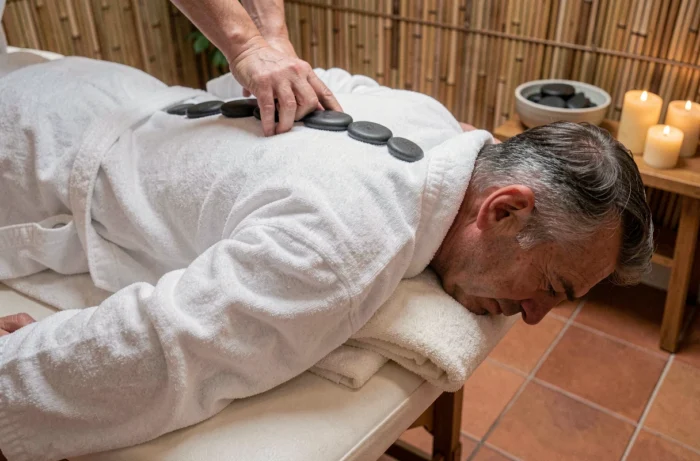
- Manual or body techniques: reflexology, wellness massages, hydrotherapy, which aim to stimulate the body’s self-regulation capabilities
- Complementary techniques: phytotherapy (use of plants), aromatherapy (essential oils), or relaxation and emotional management techniques
Naturopathy primarily presents itself as a preventive approach. The naturopath does not make medical diagnoses and does not prescribe treatments. Their role is to propose lifestyle adjustments that may strengthen the overall balance of the body.
This distinction is fundamental. Confusing naturopathic support with medical acts exposes patients to potentially dangerous deviations, especially when a patient delays a necessary medical consultation.
Scientific evidence on naturopathy: where is research at?
One of the recurring criticisms directed at naturopathy concerns the level of scientific evidence. The available data do not allow for uniform conclusions regarding the effectiveness of all the techniques used.
Some components of naturopathy benefit from a solid body of research. Phytotherapy and nutritional advice are based on studies published in peer-reviewed journals. The impact of dietary rebalancing on metabolic or inflammatory markers has been documented for decades in clinical nutrition.
In contrast, other practices associated with holistic care have more limited evidence. Field reports vary on this point: some patients report a notable improvement in their well-being, while randomized controlled trials remain rare for techniques such as iridology or certain forms of hydrotherapy.
The World Health Organization recognizes naturopathy as a traditional medicine, alongside traditional Chinese medicine and Ayurvedic medicine. This recognition is more about the antiquity of the practice than a global scientific validation of all its components.
Choosing a naturopath: concrete criteria for the patient
The lack of regulation makes choosing a practitioner delicate. A few guidelines can help reduce risks:
- Check the duration and content of the training completed: the most comprehensive programs cover anatomy, physiology, nutrition, and the limits of practice over several years
- Ensure that the naturopath never claims to replace a doctor and encourages conventional medical follow-up in parallel
- Prefer practitioners affiliated with a professional federation that imposes a code of ethics, even if this affiliation remains voluntary
- Request a clear vitality assessment during the first consultation, with personalized advice rather than a standardized protocol
A competent naturopath adapts their advice to the overall health status of the patient and refers to a health professional as soon as the situation requires it. This complementary, rather than substitutive, approach is the hallmark of a serious practice.
The cost of consultations, not reimbursed by Health Insurance, varies among practitioners. Some mutual insurance companies offer partial coverage as part of “complementary medicine” packages, but the conditions differ from one contract to another.
Naturopathy can provide a useful complement to a balanced lifestyle, as long as it remains within the scope of preventive advice. Since the French regulatory framework has not evolved, it is up to the patient to exercise discernment in choosing their practitioner and in the expectations they place in this approach.